
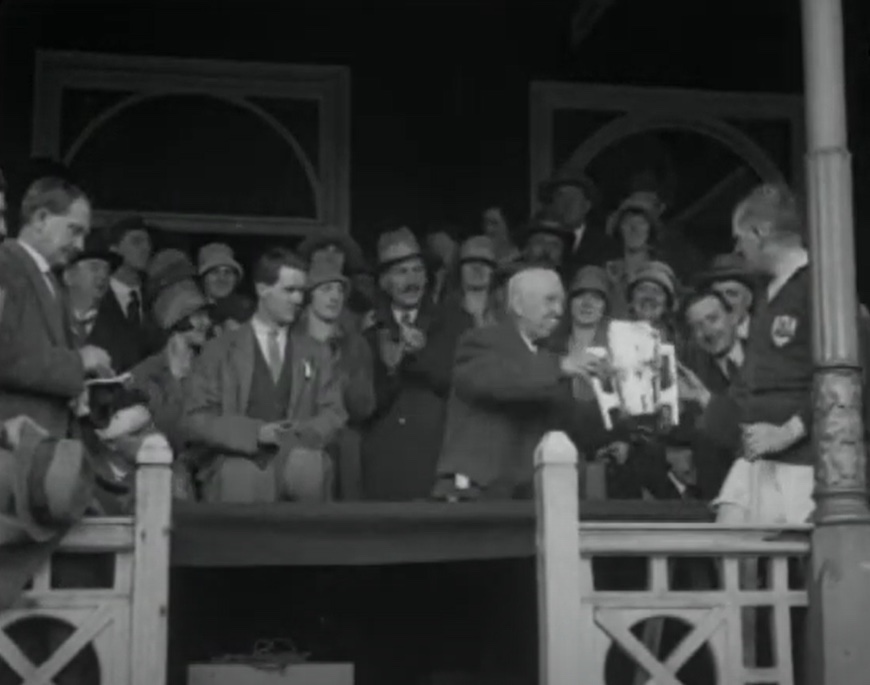
In 1927, a unique and memorable event unfolded — Liam McCarthy, the man after whom the All-Ireland hurling trophy is named, personally handed the Liam McCarthy Cup to Cork’s All-Ireland winning captain, Seán Óg Murphy. But this historic moment didn’t happen after an All-Ireland final, nor did it take place in Ireland.
For centuries, many Irish people had made their homes abroad, whether by necessity or choice. By the 1920s, the GAA recognised the importance of engaging the Irish diaspora in Britain and promoting Gaelic games across the water. That year, the Provincial Council of Great Britain was established, with the Liverpool and London County Boards as its founding members.
To generate interest and strengthen ties with the British-based Irish community, the GAA organised a special tour involving the two previous All-Ireland hurling champions: Cork (1926) and Tipperary (1925). The tour featured exhibition matches in Liverpool and London over the June Bank Holiday weekend.
Setting Sail
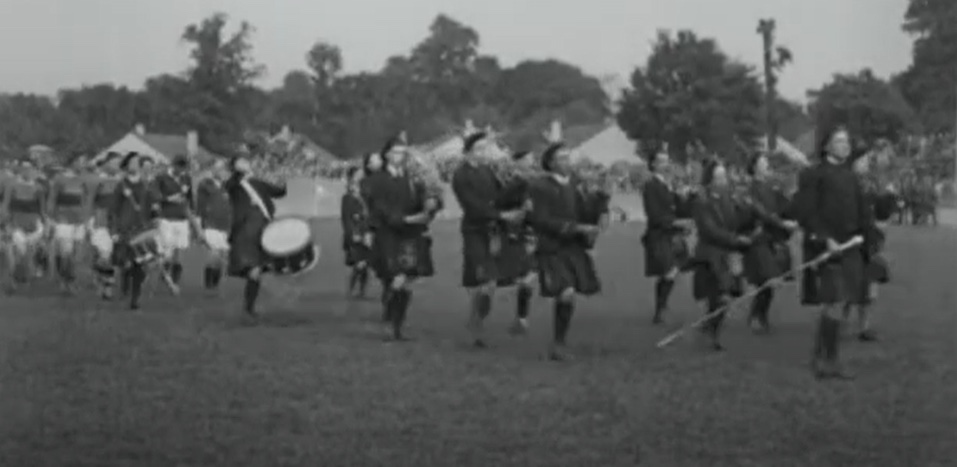
On June 3rd, the touring party boarded the Scotia steamer in Dún Laoghaire and crossed the Irish Sea to Holyhead. Accompanied by the stirring tunes of the Irish Volunteer Prize Pipe Band, they arrived in Liverpool around 3:30 a.m. by train, in darkness and anticipation.
Later that day, the teams departed from their hotels — the Victoria and the Washington — and made their way to the Waterloo Grounds for the first of two exhibition matches. But as one Tipperary player later remarked, “It is not in the nature of a hurling player to play a friendly game. Like a greyhound after a hare, when he sees a ball, he needs to go for it.”
Former GAA President Patrick Breen echoed that sentiment after witnessing the match, quipping, “If this was a friendly, we should like to see the real thing.”

A Rivalry Rekindled
The “real thing” had been on full display between these sides in recent years. In 1925, Tipperary edged Cork by two points in a thrilling Munster semi-final, going on to claim the All-Ireland title against Galway. But the real drama came in 1926, when they met again — this time in the Munster Final.
The game, played at Cork Athletic Grounds, drew such a massive crowd that the spectators spilled onto the pitch just ten minutes in, with Tipp leading 1-2 to 0-0. The match was abandoned. While GAA administrators blamed each other for the chaos, the replay in Thurles would be decided by the players.
In front of 25,000 fans, Cork led by six points at half-time, but Tipp roared back, scoring late goals to take the lead. Cork equalized in the dying moments, forcing a second replay — the first ever in Munster Final history.
That decider, also in Thurles, again drew 25,000 spectators. Tipperary were reduced to 14 men before half-time, and Cork capitalized, holding their lead to win the Munster title. They would go on to defeat Kilkenny in the All-Ireland final, completing a memorable campaign.

Bringing the Game to Britain
Now, both teams had crossed the sea to showcase their skill in Liverpool. A crowd of 7,000 cheered as handkerchiefs waved and applause rang out throughout a match that delivered pure entertainment. On a slightly smaller pitch, both sides aimed for goals more than points — and delivered them in abundance. Cork emerged winners in a 13-goal thriller: 8-3 to 5-3.
After the final whistle, the St. Joseph’s Orphanage Boys Band from Manchester played as players posed for photos. A reception followed that evening in Liverpool, celebrating the success of the tour’s opening leg.
London Calling
The next day, the teams journeyed by train to London’s Euston Station. On Monday, they played the second match at the famous Herne Hill Velodrome as part of the GAA’s annual sports carnival. Around 10,000 spectators watched the game begin briskly, with Cork winning the toss and using a slight breeze to their advantage.
Despite the fine start, torrential rain forced a temporary halt after 15 minutes. When play resumed, Cork dominated, taking a 2-4 to 0-1 lead into halftime. Tipperary had chances in the second half, but poor finishing let them down. Cork’s defense held firm, and their forwards sealed the win: 4-5 to 0-3.
Liam Meets Liam
With the tour wrapped up, it was time for the symbolic moment — Liam McCarthy presenting the Liam McCarthy Cup to Cork’s captain, Seán Óg Murphy. Commemorative medals were handed out to the players, and Liam himself was honored with a gold medal shaped like the island of Ireland.
A final reception hosted by the London County Board took place at the Manchester Hotel. Speeches of gratitude were made by county secretaries Pádraig O’Keeffe (Cork) and Widger Maher (Tipperary), before the travelling party began their long journey home — having made history not just for what they played, but for where and why they played it.

 All of the Ball